
• 60s fashion

    60s fashion

    Welcome to the ultimate guide to 60s fashion. No other decade in history saw such a massive and rapid change in how people dressed. In just ten years, the world went from the conservative, tailored suits of the previous generation to wild psychedelic prints, bare skin, and anti establishment style. This era was entirely driven by the youth. For the first time ever, high end designers were not telling young people what to wear. Instead, the streets of London and San Francisco were telling the luxury industry what was cool. Whether you study design or just love vintage clothing, understanding this decade is essential because it is the birthplace of modern pop culture.

    The most fascinating thing about this era is that it was divided into three completely different aesthetic movements. The early years were about elegant maturity, the middle years were about futuristic youth, and the final years were about nature and rebellion. Let us dive into the history, the famous icons, and the revolutionary trends that shaped the most dynamic decade of the twentieth century.

    Jackie Kennedy And The Elegant Early Years

    The decade started as a direct continuation of the late fifties. The standard of beauty was mature, elegant, and perfectly groomed. The ultimate style icon of this early period was Jacqueline Kennedy, the First Lady of the United States. Women around the world looked to her to see how to dress with class and grace.

    Her signature look included tailored skirt suits made of thick wool or tweed, large plastic buttons, and three quarter length sleeves that showed off white gloves. She made the pillbox hat incredibly famous, wearing it slightly tilted on the back of her head. Pearls were her accessory of choice. This look was safe, wealthy, and projected a sense of traditional family values.

    The London Youthquake And The Miniskirt

    By the middle of the decade, the focus of global style shifted from Paris and New York to London. An explosion of music, art, and youth culture happened on a small street called Carnaby Street. The media called this cultural shift the Youthquake, and it completely rewrote the rules of the clothing industry.

    At the center of this movement was a British designer named Mary Quant. She is credited with popularizing the miniskirt, which was the most shocking and important garment of the decade. By raising the hemline several inches above the knee, Quant gave young women the freedom to run, dance, and express their independence.

    The Mod subculture adopted this look immediately. Mod style was characterized by bold geometric shapes, bright colors, and optical illusion patterns. Dresses became simple A-line shifts without defined waists, completely removing the need for corsets and heavy undergarments.

    Twiggy And The Supermodel Revolution

    With this new youthful clothing came a need for a new type of model. Enter Lesley Hornby, better known to the world as Twiggy. At just sixteen years old, she became the face of the decade.

    Twiggy had a very different look compared to the curvy, mature models of the past. She was incredibly thin with short, boyish hair and massive eyes framed by heavy false eyelashes. Photographers loved her because she looked like a living doll. Her androgynous body shape became the absolute standard of beauty, which meant that clothes were now designed to look best on a flat, youthful frame.

    Space Age Futurism

    As the space race between the United States and the Soviet Union dominated the news, designers became obsessed with the future. The idea of traveling to the moon inspired a trend known as space age fashion.

    Designers like Andre Courreges, Pierre Cardin, and Paco Rabanne started using non traditional materials to make clothes. They used shiny plastics, metallic leather, silver vinyl, and even metal discs connected by wire. Silhouettes were shaped like helmets, rockets, and spheres. The all white go-go boot with a low heel became the standard footwear for this intergalactic aesthetic. It was a time of intense optimism, where fashion looked forward to a world of advanced technology and space travel.

    The Peacock Revolution In Menswear

    For hundreds of years, menswear had been relatively dark, plain, and conservative. The sixties changed that forever in a movement called the Peacock Revolution. Men began to embrace bright colors, loud patterns, and decorative elements that had previously been considered only for women.

    The Beatles and The Rolling Stones were huge drivers of this change. As the music became more psychedelic, the band members started wearing velvet jackets, ruffled shirts, and brightly colored silk scarves. Pants became incredibly tight at the top and flared out at the bottom, creating the famous bell bottom silhouette. Jimi Hendrix took this look to the extreme, performing in vintage military jackets covered in gold braid and wearing colorful bandanas around his wild hair.

    The Late Decade And The Hippie Movement

    By 1967, the mood of the world was changing. The Vietnam War and the Civil Rights movement created a generation of young people who were angry at the government and tired of commercialism. This anger birthed the hippie movement, centered in the Haight-Ashbury district of San Francisco.

    Hippies rejected the plastic, futuristic fashion of the mid sixties. They wanted to return to nature. Their clothing was made from natural fabrics like cotton, hemp, and leather. They embraced global ethnic styles, wearing Indian tunics, Native American fringe jackets, and Mexican peasant blouses. Tie dye became the ultimate DIY fashion statement, representing a psychedelic drug culture and a rejection of factory made perfection.

    The Woodstock music festival in 1969 was the ultimate display of this style. Thousands of young people gathered in the mud wearing denim cutoff shorts, crochet tops, and nothing on their feet. Long, unbrushed hair for both men and women became the ultimate symbol of freedom and anti establishment protest.

    Iconic Accessories And Beauty Trends

    Makeup in the sixties focused heavily on the eyes. Women used white eyeshadow, thick liquid eyeliner drawn into a winged shape, and multiple layers of false eyelashes. The lips were kept very pale, often colored with just white or pastel pink frost. Hair was either cut into sharp geometric bobs by famous hairstylist Vidal Sassoon, or teased into a massive high beehive shape.

    Accessories were just as bold. Oversized plastic sunglasses in shapes like squares, circles, and even hearts were worn by everyone. Jewelry was made from cheap, colorful plastic and featured flower power motifs, peace signs, and happy faces.

    Why This Era Still Matters

    The impact of this decade is visible in almost every modern collection today. The concept of fast fashion started here, as boutiques needed to produce new, cheap styles every few weeks to keep up with the teenage demand.

    More importantly, this decade proved that fashion is not just about looking nice. It is a powerful political tool. Whether it was a woman demanding liberation through a short skirt, or a student protesting war through a tie dye shirt, the sixties taught the world that the clothes on your back are your loudest voice.
  • 80s fashion

    80s fashion

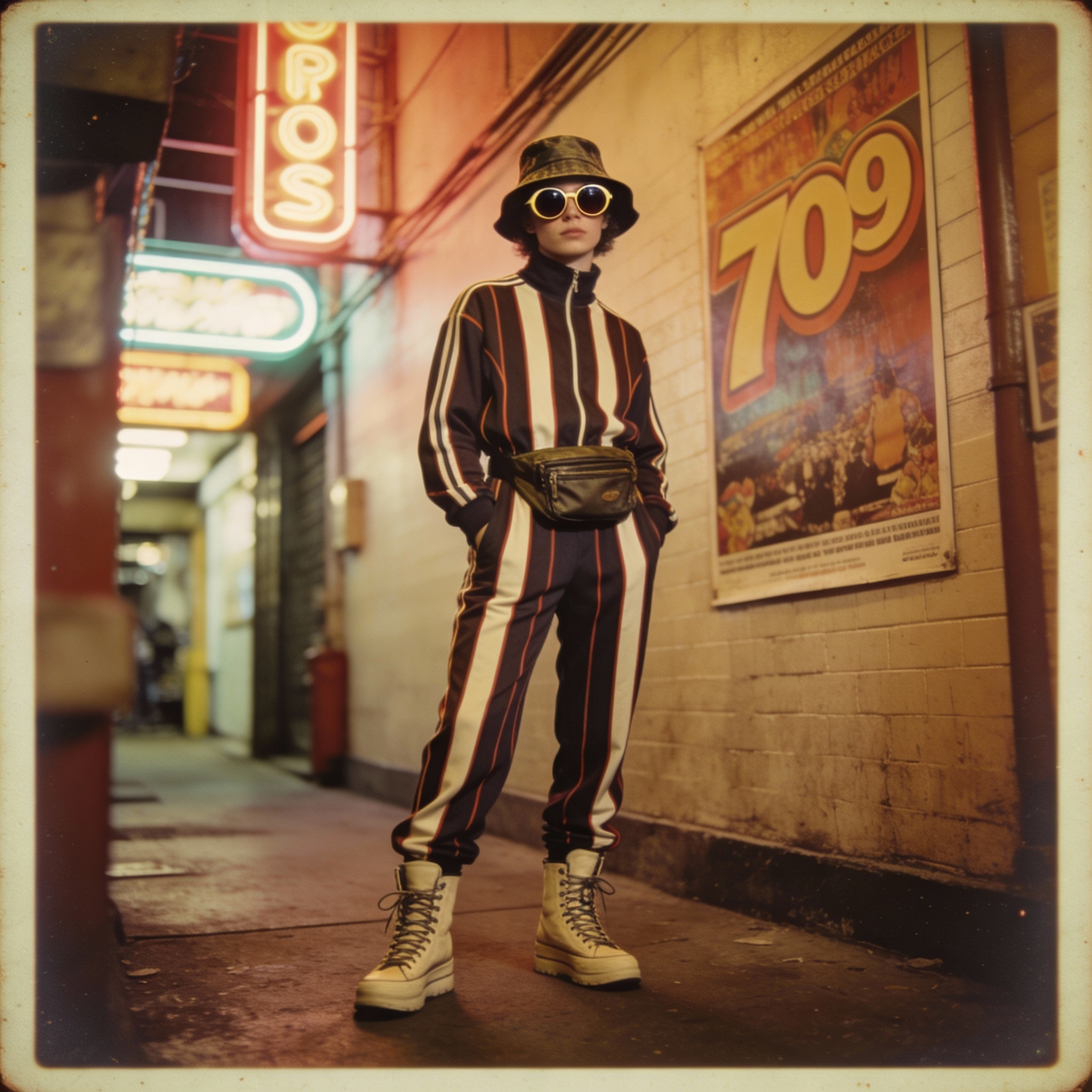
    Welcome to the ultimate guide to 80s fashion. If the previous decade was about natural textures and bohemian freedom, this new era was all about excess, energy, and making a bold statement. The economy was booming, new technology was changing the world, and people used their clothing to show off their wealth and ambition. For anyone studying design or cultural history, understanding 80s fashion is crucial because this was the decade where personal style became a massive global industry.

    This was a time of huge contrasts. You could see serious business suits with massive shoulder pads walking down the same street as teenagers dressed in neon spandex and punk leather jackets. From the birth of music television to the fitness revolution, the clothes people wore told the story of a fast changing society. Let us explore the icons, the history, and the fascinating trends that made this decade so incredibly colorful and unforgettable.

    Power Dressing And The Wall Street Influence

    As the decade began, more women were entering the corporate workforce and climbing the ladder to management positions than ever before. They needed a wardrobe that commanded respect in a male dominated business world. This created the massive trend known as power dressing.

    The most famous element of this look was the shoulder pad. Designers inserted thick foam pads into jackets, blouses, and even sweaters. The goal was to create an inverted triangle shape that made women look taller, broader, and more imposing. Giorgio Armani became famous during this time for his expertly tailored suits, which removed the stiff structure of traditional menswear and created a fluid, elegant silhouette for both men and women.

    For men, the influence of Wall Street brokers defined the corporate look. This meant wearing sharp pinstripe suits, contrasting white collar dress shirts, colorful silk ties, and suspenders. The phrase dress for success became a popular motto, showing that your clothes were a direct reflection of your financial goals.

    MTV And The Birth Of Pop Royalty

    In 1981, the launch of MTV changed the fashion industry overnight. Music was no longer just something you listened to on the radio, it was a visual experience. Pop stars became the new runway models, and whatever they wore in their music videos was immediately copied by millions of teenagers around the world.

    Madonna was the undisputed queen of this era. With the release of her album Like a Virgin, she created a look that combined romantic items with punk rebellion. She layered lace bustiers over t-shirts, wore tulle skirts with leggings, and covered her arms in rubber bracelets and crucifix necklaces. Her messy, bleached blonde hair tied with giant bows became the ultimate symbol of cool for young girls.

    Michael Jackson dominated men style in a similar way. His red leather zipper jacket from the Thriller video is one of the most recognizable clothing items in history. He also popularized military style jackets with gold ropes, high water pants that showed off white socks, and his famous single sparkly glove. His style was dramatic, theatrical, and impossible to ignore.

    The Fitness Craze And Workout Gear

    The early eighties saw a massive boom in health and fitness culture, led largely by actress Jane Fonda and her best selling aerobics workout tapes. This movement brought athletic wear out of the gym and onto the streets as everyday fashion.

    Bright neon spandex was the fabric of the decade. Women wore colorful leotards over shiny tights, often belted at the waist. Leg warmers, which were originally used by ballet dancers to keep their muscles warm, became a massive casual trend. They were worn over leggings, jeans, or even with high heels. Sweatbands on the forehead and wrists completed the energetic look.

    This trend completely revolutionized the textile industry. Designers realized that people loved the comfort and stretch of athletic materials like Lycra. This paved the way for the modern athleisure market that we still see today.

    Preppy Style And The Royal Influence

    While neon and spandex were popular with the youth, a much more conservative trend was happening at the same time. The preppy look, inspired by wealthy American university students, became a huge commercial success. It was defined by polo shirts with the collars popped up, pastel colored cable knit sweaters tied around the shoulders, boat shoes, and khaki pants. Brands like Ralph Lauren and Lacoste became the ultimate status symbols for this clean cut aesthetic.

    Across the ocean, a young Lady Diana Spencer married Prince Charles and became the most photographed woman in the world. In the early years of the decade, Princess Diana was the ultimate example of upper class British style, known as the Sloane Ranger look. She popularized pie crust collar blouses, romantic taffeta dresses, and tasteful pearl jewelry. As she gained confidence later in the decade, she embraced bolder colors and sleek designer gowns, making her the top fashion icon of the century.

    The Japanese Avant Garde Disrupts Paris

    For serious students of fashion history, 1981 was a revolutionary year. This was when Japanese designers Yohji Yamamoto and Rei Kawakubo, the founder of Comme des Garcons, showed their collections in Paris for the first time. Their work completely shocked the western fashion world.

    While western designers were making bright, tight fitting clothes that showed off the body, these Japanese masters presented oversized, asymmetrical, and entirely black garments. The clothes looked unfinished, featuring distressed fabrics and holes. They challenged the traditional idea of beauty and sexuality in clothing.

    This movement, often called anti fashion, was highly intellectual. It influenced an entire generation of future designers, including the Belgian masters of the nineties, and proved that clothing could be a serious form of artistic and philosophical expression.

    Big Hair And Bold Beauty Trends

    You cannot picture this decade without imagining the hair. Hair was teased, crimped, and sprayed into massive clouds. The mullet, a hairstyle that was short on the top and long in the back, became extremely popular for both men and women. The amount of aerosol hairspray used during this decade was so immense that scientists actually worried about its effect on the ozone layer.

    Makeup was just as loud as the clothes. The rule was more is more. Women wore bright pink blush high up on their cheekbones, thick black eyeliner, and dramatic eyeshadow in shades of electric blue, purple, and yellow. Lips were painted in frosted pinks or deep reds. The goal of beauty in this era was not to look natural, but to look powerful and artistic.

    Famous Accessories And Micro Trends

    Accessories in this decade were large and meant to be seen from far away. Jewelry was made of heavy gold or brightly colored plastic. Large geometric shapes, like triangle earrings or giant hoop earrings, were standard for every outfit.

    Sunglasses also had a huge moment, driven largely by the movie industry. When Tom Cruise wore Ray-Ban Wayfarer sunglasses in the movie Risky Business, and later the Aviator style in Top Gun, sales for the brand skyrocketed by hundreds of percent.

    Swatch watches became a massive collector item for teenagers. These affordable Swiss watches came in wild patterns and colors. It was very trendy to wear two or three Swatch watches on the same arm at the same time.

    The Legacy In Modern Style

    While the styles of this decade were often mocked in the years that followed, the influence of the eighties is stronger than ever today. The oversized blazers that dominate modern street style are a direct nod to the power suits of the past. The chunky white sneakers and the love for bright, optimistic colors have all made a major comeback.

    The most important lesson from this era is the idea of fearless self expression. People were not afraid to take up space, wear crazy patterns, and be completely visible. It was a time when getting dressed was supposed to be fun, theatrical, and full of confidence.

  • 90s fashion

    90s fashion

    Welcome to the ultimate guide to 90s fashion. After the bright colors, big hair, and extreme excess of the previous decade, the fashion world needed a hard reset. This era brought a massive shift in how people dressed, moving away from dressing to impress and moving toward dressing for comfort, rebellion, and personal identity. Whether you are a design student looking for inspiration or just feeling nostalgic, understanding the trends of the final decade of the twentieth century is essential to understanding modern style.

    The clothing of this decade was not just one single look. It was a fascinating mix of completely different subcultures. People on the street were mixing high end designer pieces with thrift store finds in a way that had never been seen before. From the rainy music scene of the Pacific Northwest to the glamorous runways of Paris, let us look at the history, the icons, and the fun facts that made this era so unforgettable.

    The Rise Of Grunge And Anti Fashion

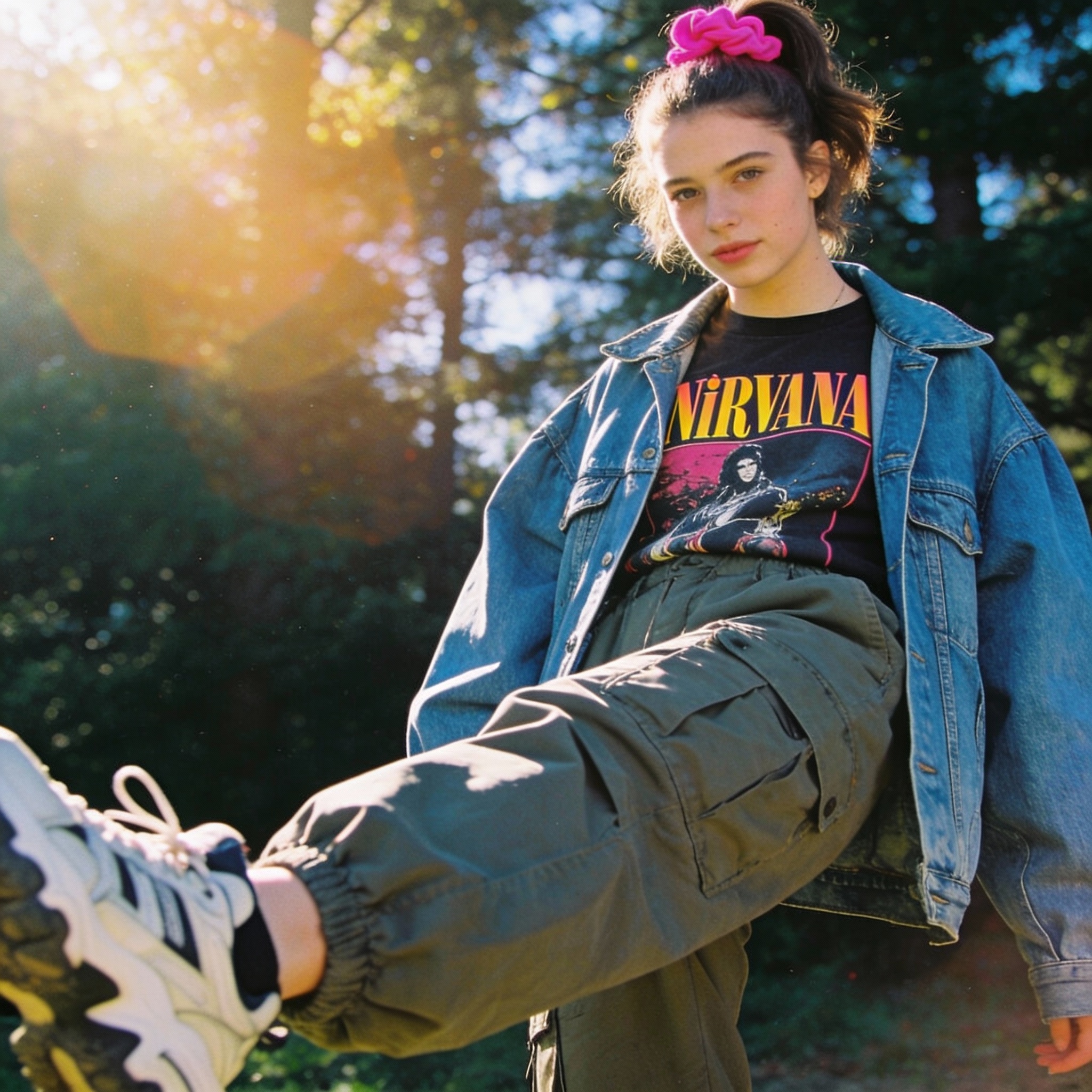
    In the early years of the decade, a new type of rock music called grunge exploded out of Seattle, Washington. Bands like Nirvana, Pearl Jam, and Soundgarden brought a raw, unpolished sound to the radio. Their clothing style, which was just as raw as their music, quickly took over the youth culture.

    The grunge look was the ultimate anti fashion statement. It was born out of necessity, as struggling musicians bought their clothes from cheap second hand stores. The uniform consisted of oversized flannel shirts, ripped baggy jeans, thermal underwear, and heavy combat boots. Messy, unwashed hair completed the aesthetic. It was a rejection of traditional glamour.

    Interestingly, the high fashion world noticed this street trend very quickly. In 1992, a young designer named Marc Jacobs created a grunge collection for the brand Perry Ellis. He sent supermodels down the runway wearing silk shirts printed to look like cheap flannel and dresses paired with heavy boots. While the fashion critics at the time hated it and Jacobs was actually fired from his job, that collection is now considered one of the most important moments in modern fashion history.

    Sleek Minimalism And The Slip Dress

    As a reaction to both the loud styles of the past and the messy look of grunge, a wave of pure minimalism took over the high end market. Designers like Calvin Klein, Donna Karan, and Miuccia Prada led this movement. They focused on clean lines, simple shapes, and a very neutral color palette made up of black, white, gray, and beige.

    The ultimate symbol of this minimalist trend was the slip dress. Made from silk or satin, it looked exactly like traditional undergarments but was worn as an evening dress. It was simple, elegant, and very daring.

    Famous figures like Carolyn Bessette-Kennedy and actress Winona Ryder made this look famous. They would wear a simple slip dress with almost no jewelry, flat shoes, and minimal makeup. This aesthetic proved that true luxury was quiet and that you did not need to wear a lot of accessories to look expensive.

    Hip Hop Culture Takes Over The Streets

    While grunge dominated rock music, hip hop became the most influential force in pop culture and street style. Rappers like Tupac Shakur, The Notorious B.I.G., and Snoop Dogg, along with R&B groups like TLC, created a new language of style that still dominates streetwear today.

    The silhouette in hip hop was all about volume. Baggy jeans worn low on the hips, oversized graphic t-shirts, and heavy Timberland boots were the standard look for men. Women mixed baggy men’s clothing with fitted crop tops to create a cool tomboy aesthetic.

    This was also the era of logomania. Brands like Tommy Hilfiger, Ralph Lauren, and Calvin Klein became massive status symbols in the hip hop community. Black owned fashion brands like FUBU and Karl Kani also launched during this time, creating clothes specifically designed for urban youth culture, which completely changed the retail industry.

    Television And Movie Wardrobes That Changed Everything

    In the days before social media, young people looked to movies and television shows to figure out what was cool. The costume designers for these productions had an incredible amount of influence over what people bought at the mall.

    The movie Clueless, released in 1995, is perhaps the best example. The main character, Cher Horowitz, wore a yellow plaid skirt suit that became instantly legendary. The movie introduced high school students to designer names like Alaia and Calvin Klein, and made preppy, colorful matching sets incredibly popular.

    On television, the show Friends was a weekly fashion show for millions of viewers. The character Rachel Green, played by Jennifer Aniston, became the ultimate style icon for young working women. Her combination of casual denim, simple t-shirts, and tailored office wear defined the casual chic look of the late nineties. The Rachel haircut also became the most requested hairstyle in salons around the world.

    The Golden Era Of The Supermodel

    This was the decade where models stopped being just faces in a magazine and became global celebrities. The media referred to the top models as the Big Six: Cindy Crawford, Naomi Campbell, Linda Evangelista, Christy Turlington, Claudia Schiffer, and Kate Moss.

    These women appeared on talk shows, starred in George Michael music videos, and walked the runways together like royalty. They brought a sense of incredible glamour and personality to the clothes they wore.

    Later in the decade, the aesthetic shifted. Kate Moss popularized a new look known as heroin chic. This featured very thin models with pale skin and dark circles under their eyes, photographed in gritty, realistic environments. It was highly controversial at the time but changed fashion photography forever by making it look more like documentary art.

    Sportswear And The Sneaker Boom

    Athletic clothing left the gym and became an everyday uniform. This was driven heavily by the global fame of basketball star Michael Jordan. Sneaker culture was born in this decade, with kids lining up outside shoe stores to buy the newest Nike Air Jordans or Reebok Pumps.

    Tracksuits also became high fashion. Members of the British pop group the Spice Girls, particularly Sporty Spice, showed that you could wear Adidas track pants with crop tops on a world tour. Windbreakers, bucket hats, and athletic shorts became standard casual wear for teenagers around the globe.

    Fun Accessories And Micro Trends

    You cannot talk about this era without mentioning the incredibly fun and somewhat strange accessories. Many of these items are now popular again with the younger generation.

    Chokers were the absolute must have necklace. They came in black velvet with small charms, or as stretchy plastic tattoo chokers that sat tight around the neck. Hair was decorated with dozens of colorful plastic butterfly clips or tied back with large fabric scrunchies.

    Footwear was equally playful. Platform shoes became massive, both in popularity and in actual size. Jelly shoes, which were made of colorful transparent plastic, were popular for summer. Mood rings, which claimed to change color based on your emotions, and slap bracelets provided cheap and fun ways for kids to express themselves.

    The Legacy Today

    The trends from thirty years ago are now everywhere again. The current generation of teenagers has discovered this era through social media, and they love the authentic, cool vibe that the clothes represent.

    Major luxury brands are currently reissuing their famous bags from this time period, like the Fendi Baguette and the Prada nylon backpack. From the streets of New York to the runways of Milan, the impact of this unique decade proves that great style never really goes away, it just waits for the right time to come back.