
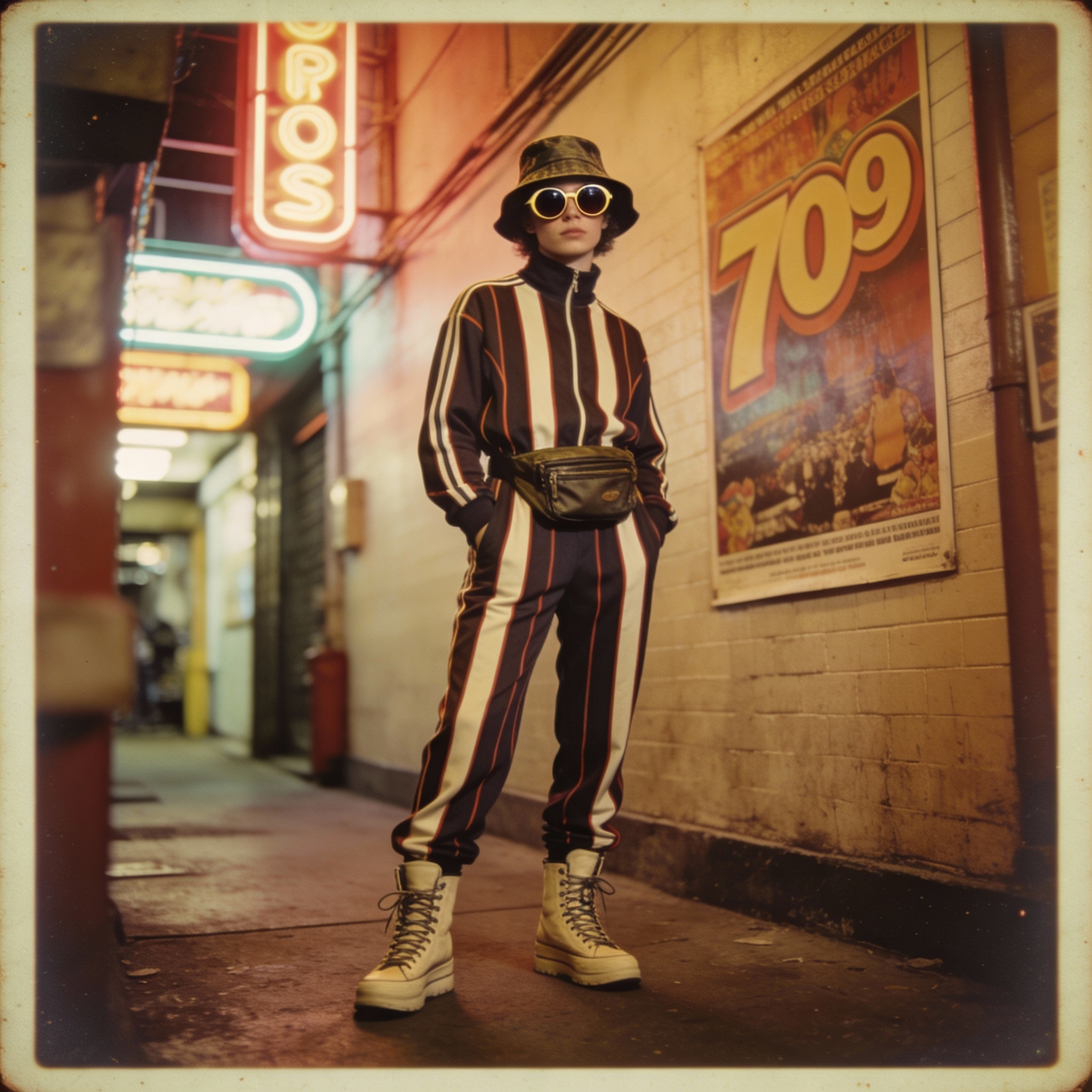
Welcome to the ultimate guide to 80s fashion. If the previous decade was about natural textures and bohemian freedom, this new era was all about excess, energy, and making a bold statement. The economy was booming, new technology was changing the world, and people used their clothing to show off their wealth and ambition. For anyone studying design or cultural history, understanding 80s fashion is crucial because this was the decade where personal style became a massive global industry.
This was a time of huge contrasts. You could see serious business suits with massive shoulder pads walking down the same street as teenagers dressed in neon spandex and punk leather jackets. From the birth of music television to the fitness revolution, the clothes people wore told the story of a fast changing society. Let us explore the icons, the history, and the fascinating trends that made this decade so incredibly colorful and unforgettable.
Power Dressing And The Wall Street Influence
As the decade began, more women were entering the corporate workforce and climbing the ladder to management positions than ever before. They needed a wardrobe that commanded respect in a male dominated business world. This created the massive trend known as power dressing.
The most famous element of this look was the shoulder pad. Designers inserted thick foam pads into jackets, blouses, and even sweaters. The goal was to create an inverted triangle shape that made women look taller, broader, and more imposing. Giorgio Armani became famous during this time for his expertly tailored suits, which removed the stiff structure of traditional menswear and created a fluid, elegant silhouette for both men and women.
For men, the influence of Wall Street brokers defined the corporate look. This meant wearing sharp pinstripe suits, contrasting white collar dress shirts, colorful silk ties, and suspenders. The phrase dress for success became a popular motto, showing that your clothes were a direct reflection of your financial goals.
MTV And The Birth Of Pop Royalty
In 1981, the launch of MTV changed the fashion industry overnight. Music was no longer just something you listened to on the radio, it was a visual experience. Pop stars became the new runway models, and whatever they wore in their music videos was immediately copied by millions of teenagers around the world.
Madonna was the undisputed queen of this era. With the release of her album Like a Virgin, she created a look that combined romantic items with punk rebellion. She layered lace bustiers over t-shirts, wore tulle skirts with leggings, and covered her arms in rubber bracelets and crucifix necklaces. Her messy, bleached blonde hair tied with giant bows became the ultimate symbol of cool for young girls.
Michael Jackson dominated men style in a similar way. His red leather zipper jacket from the Thriller video is one of the most recognizable clothing items in history. He also popularized military style jackets with gold ropes, high water pants that showed off white socks, and his famous single sparkly glove. His style was dramatic, theatrical, and impossible to ignore.
The Fitness Craze And Workout Gear
The early eighties saw a massive boom in health and fitness culture, led largely by actress Jane Fonda and her best selling aerobics workout tapes. This movement brought athletic wear out of the gym and onto the streets as everyday fashion.
Bright neon spandex was the fabric of the decade. Women wore colorful leotards over shiny tights, often belted at the waist. Leg warmers, which were originally used by ballet dancers to keep their muscles warm, became a massive casual trend. They were worn over leggings, jeans, or even with high heels. Sweatbands on the forehead and wrists completed the energetic look.
This trend completely revolutionized the textile industry. Designers realized that people loved the comfort and stretch of athletic materials like Lycra. This paved the way for the modern athleisure market that we still see today.
Preppy Style And The Royal Influence
While neon and spandex were popular with the youth, a much more conservative trend was happening at the same time. The preppy look, inspired by wealthy American university students, became a huge commercial success. It was defined by polo shirts with the collars popped up, pastel colored cable knit sweaters tied around the shoulders, boat shoes, and khaki pants. Brands like Ralph Lauren and Lacoste became the ultimate status symbols for this clean cut aesthetic.
Across the ocean, a young Lady Diana Spencer married Prince Charles and became the most photographed woman in the world. In the early years of the decade, Princess Diana was the ultimate example of upper class British style, known as the Sloane Ranger look. She popularized pie crust collar blouses, romantic taffeta dresses, and tasteful pearl jewelry. As she gained confidence later in the decade, she embraced bolder colors and sleek designer gowns, making her the top fashion icon of the century.
The Japanese Avant Garde Disrupts Paris
For serious students of fashion history, 1981 was a revolutionary year. This was when Japanese designers Yohji Yamamoto and Rei Kawakubo, the founder of Comme des Garcons, showed their collections in Paris for the first time. Their work completely shocked the western fashion world.
While western designers were making bright, tight fitting clothes that showed off the body, these Japanese masters presented oversized, asymmetrical, and entirely black garments. The clothes looked unfinished, featuring distressed fabrics and holes. They challenged the traditional idea of beauty and sexuality in clothing.
This movement, often called anti fashion, was highly intellectual. It influenced an entire generation of future designers, including the Belgian masters of the nineties, and proved that clothing could be a serious form of artistic and philosophical expression.
Big Hair And Bold Beauty Trends
You cannot picture this decade without imagining the hair. Hair was teased, crimped, and sprayed into massive clouds. The mullet, a hairstyle that was short on the top and long in the back, became extremely popular for both men and women. The amount of aerosol hairspray used during this decade was so immense that scientists actually worried about its effect on the ozone layer.
Makeup was just as loud as the clothes. The rule was more is more. Women wore bright pink blush high up on their cheekbones, thick black eyeliner, and dramatic eyeshadow in shades of electric blue, purple, and yellow. Lips were painted in frosted pinks or deep reds. The goal of beauty in this era was not to look natural, but to look powerful and artistic.
Famous Accessories And Micro Trends
Accessories in this decade were large and meant to be seen from far away. Jewelry was made of heavy gold or brightly colored plastic. Large geometric shapes, like triangle earrings or giant hoop earrings, were standard for every outfit.
Sunglasses also had a huge moment, driven largely by the movie industry. When Tom Cruise wore Ray-Ban Wayfarer sunglasses in the movie Risky Business, and later the Aviator style in Top Gun, sales for the brand skyrocketed by hundreds of percent.
Swatch watches became a massive collector item for teenagers. These affordable Swiss watches came in wild patterns and colors. It was very trendy to wear two or three Swatch watches on the same arm at the same time.
The Legacy In Modern Style
While the styles of this decade were often mocked in the years that followed, the influence of the eighties is stronger than ever today. The oversized blazers that dominate modern street style are a direct nod to the power suits of the past. The chunky white sneakers and the love for bright, optimistic colors have all made a major comeback.
The most important lesson from this era is the idea of fearless self expression. People were not afraid to take up space, wear crazy patterns, and be completely visible. It was a time when getting dressed was supposed to be fun, theatrical, and full of confidence.