
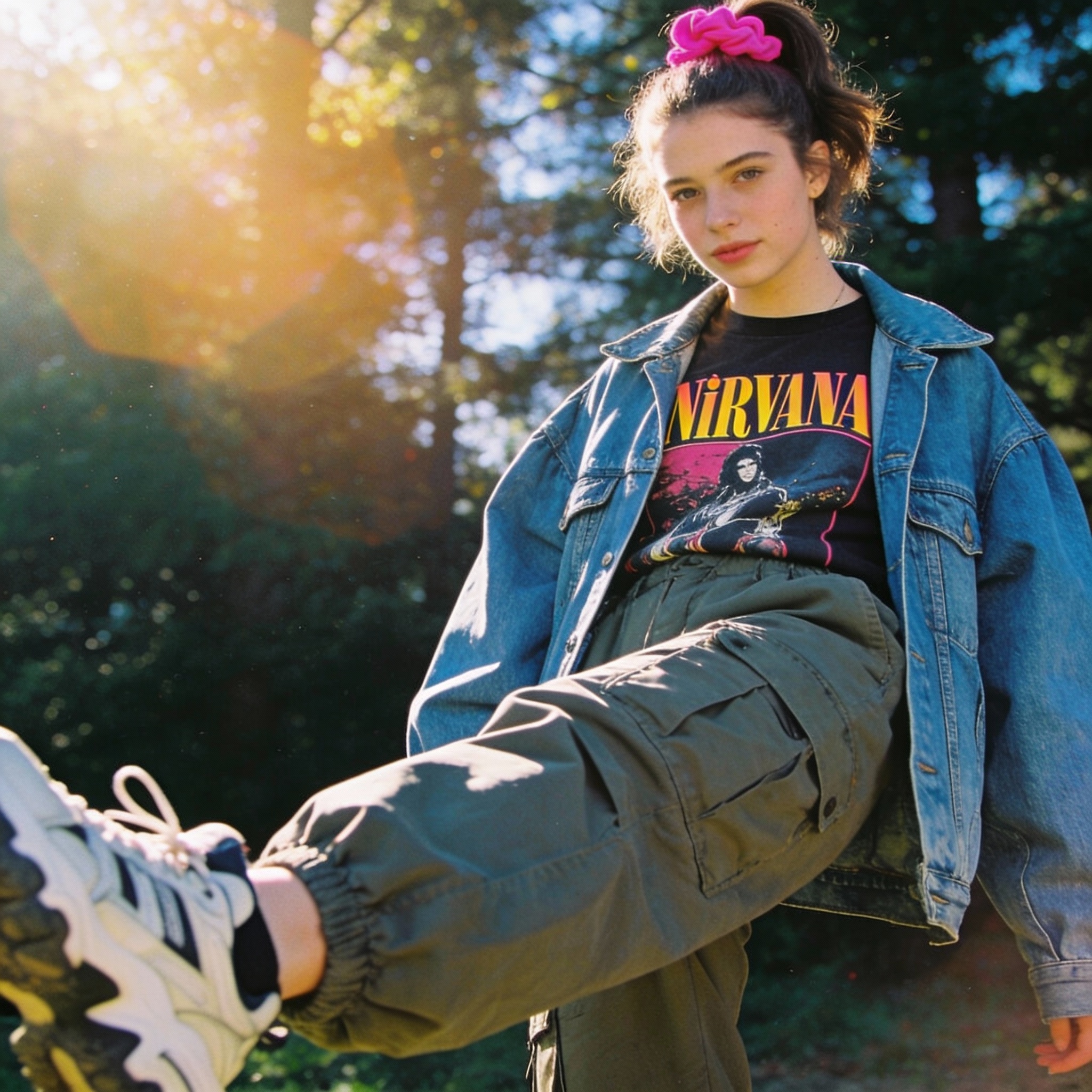
Welcome to the ultimate guide to 90s fashion. After the bright colors, big hair, and extreme excess of the previous decade, the fashion world needed a hard reset. This era brought a massive shift in how people dressed, moving away from dressing to impress and moving toward dressing for comfort, rebellion, and personal identity. Whether you are a design student looking for inspiration or just feeling nostalgic, understanding the trends of the final decade of the twentieth century is essential to understanding modern style.
The clothing of this decade was not just one single look. It was a fascinating mix of completely different subcultures. People on the street were mixing high end designer pieces with thrift store finds in a way that had never been seen before. From the rainy music scene of the Pacific Northwest to the glamorous runways of Paris, let us look at the history, the icons, and the fun facts that made this era so unforgettable.
The Rise Of Grunge And Anti Fashion
In the early years of the decade, a new type of rock music called grunge exploded out of Seattle, Washington. Bands like Nirvana, Pearl Jam, and Soundgarden brought a raw, unpolished sound to the radio. Their clothing style, which was just as raw as their music, quickly took over the youth culture.
The grunge look was the ultimate anti fashion statement. It was born out of necessity, as struggling musicians bought their clothes from cheap second hand stores. The uniform consisted of oversized flannel shirts, ripped baggy jeans, thermal underwear, and heavy combat boots. Messy, unwashed hair completed the aesthetic. It was a rejection of traditional glamour.
Interestingly, the high fashion world noticed this street trend very quickly. In 1992, a young designer named Marc Jacobs created a grunge collection for the brand Perry Ellis. He sent supermodels down the runway wearing silk shirts printed to look like cheap flannel and dresses paired with heavy boots. While the fashion critics at the time hated it and Jacobs was actually fired from his job, that collection is now considered one of the most important moments in modern fashion history.
Sleek Minimalism And The Slip Dress
As a reaction to both the loud styles of the past and the messy look of grunge, a wave of pure minimalism took over the high end market. Designers like Calvin Klein, Donna Karan, and Miuccia Prada led this movement. They focused on clean lines, simple shapes, and a very neutral color palette made up of black, white, gray, and beige.
The ultimate symbol of this minimalist trend was the slip dress. Made from silk or satin, it looked exactly like traditional undergarments but was worn as an evening dress. It was simple, elegant, and very daring.
Famous figures like Carolyn Bessette-Kennedy and actress Winona Ryder made this look famous. They would wear a simple slip dress with almost no jewelry, flat shoes, and minimal makeup. This aesthetic proved that true luxury was quiet and that you did not need to wear a lot of accessories to look expensive.
Hip Hop Culture Takes Over The Streets
While grunge dominated rock music, hip hop became the most influential force in pop culture and street style. Rappers like Tupac Shakur, The Notorious B.I.G., and Snoop Dogg, along with R&B groups like TLC, created a new language of style that still dominates streetwear today.
The silhouette in hip hop was all about volume. Baggy jeans worn low on the hips, oversized graphic t-shirts, and heavy Timberland boots were the standard look for men. Women mixed baggy men’s clothing with fitted crop tops to create a cool tomboy aesthetic.
This was also the era of logomania. Brands like Tommy Hilfiger, Ralph Lauren, and Calvin Klein became massive status symbols in the hip hop community. Black owned fashion brands like FUBU and Karl Kani also launched during this time, creating clothes specifically designed for urban youth culture, which completely changed the retail industry.
Television And Movie Wardrobes That Changed Everything
In the days before social media, young people looked to movies and television shows to figure out what was cool. The costume designers for these productions had an incredible amount of influence over what people bought at the mall.
The movie Clueless, released in 1995, is perhaps the best example. The main character, Cher Horowitz, wore a yellow plaid skirt suit that became instantly legendary. The movie introduced high school students to designer names like Alaia and Calvin Klein, and made preppy, colorful matching sets incredibly popular.
On television, the show Friends was a weekly fashion show for millions of viewers. The character Rachel Green, played by Jennifer Aniston, became the ultimate style icon for young working women. Her combination of casual denim, simple t-shirts, and tailored office wear defined the casual chic look of the late nineties. The Rachel haircut also became the most requested hairstyle in salons around the world.
The Golden Era Of The Supermodel
This was the decade where models stopped being just faces in a magazine and became global celebrities. The media referred to the top models as the Big Six: Cindy Crawford, Naomi Campbell, Linda Evangelista, Christy Turlington, Claudia Schiffer, and Kate Moss.
These women appeared on talk shows, starred in George Michael music videos, and walked the runways together like royalty. They brought a sense of incredible glamour and personality to the clothes they wore.
Later in the decade, the aesthetic shifted. Kate Moss popularized a new look known as heroin chic. This featured very thin models with pale skin and dark circles under their eyes, photographed in gritty, realistic environments. It was highly controversial at the time but changed fashion photography forever by making it look more like documentary art.
Sportswear And The Sneaker Boom
Athletic clothing left the gym and became an everyday uniform. This was driven heavily by the global fame of basketball star Michael Jordan. Sneaker culture was born in this decade, with kids lining up outside shoe stores to buy the newest Nike Air Jordans or Reebok Pumps.
Tracksuits also became high fashion. Members of the British pop group the Spice Girls, particularly Sporty Spice, showed that you could wear Adidas track pants with crop tops on a world tour. Windbreakers, bucket hats, and athletic shorts became standard casual wear for teenagers around the globe.
Fun Accessories And Micro Trends
You cannot talk about this era without mentioning the incredibly fun and somewhat strange accessories. Many of these items are now popular again with the younger generation.
Chokers were the absolute must have necklace. They came in black velvet with small charms, or as stretchy plastic tattoo chokers that sat tight around the neck. Hair was decorated with dozens of colorful plastic butterfly clips or tied back with large fabric scrunchies.
Footwear was equally playful. Platform shoes became massive, both in popularity and in actual size. Jelly shoes, which were made of colorful transparent plastic, were popular for summer. Mood rings, which claimed to change color based on your emotions, and slap bracelets provided cheap and fun ways for kids to express themselves.
The Legacy Today
The trends from thirty years ago are now everywhere again. The current generation of teenagers has discovered this era through social media, and they love the authentic, cool vibe that the clothes represent.
Major luxury brands are currently reissuing their famous bags from this time period, like the Fendi Baguette and the Prada nylon backpack. From the streets of New York to the runways of Milan, the impact of this unique decade proves that great style never really goes away, it just waits for the right time to come back.